
Quick answer: Commercial water tank cleaning in Islamabad covers offices, plazas, hotels, restaurants, schools, hospitals, mosques, factories and housing societies. We clean large tanks and reservoirs one at a time so your water supply is not stopped, and give you a written report with photos after the job. Call +92 332 5063036 for a written quote.
Who is commercial tank cleaning for?
A commercial tank is not a bigger version of a house tank. It serves more people, holds more water, and the person who books the cleaning is usually a facility or admin manager, not the owner. The manager needs three things a homeowner does not: a written quote before the work, a plan that does not stop the water supply, and documentation after the job that can go into a file.
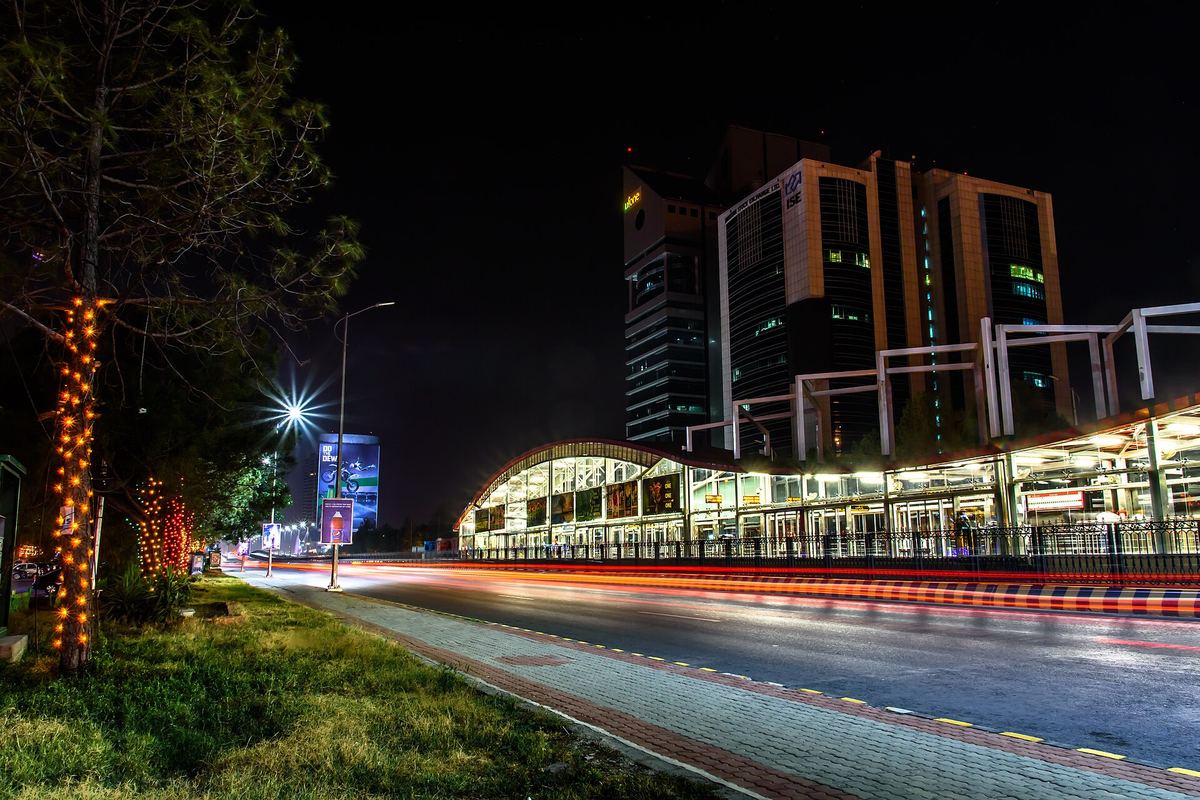
We clean tanks for offices, plazas and shopping centres, hotels and restaurants, schools, colleges and universities, hospitals and clinics, mosques including wuzu tanks, factories and warehouses, and housing society blocks. The I-9 and I-10 industrial areas, Blue Area offices, and the plazas of DHA, Bahria Town and Saddar are the places where large tanks are most common, but any building with a 5,000 litre tank or larger is a commercial job.
What kinds of commercial tanks do you clean?
| Tank type | Where it is found | Typical size |
|---|---|---|
| Underground reservoir or sump | Plazas, offices, schools, hospitals | 5,000 litres and above |
| Overhead concrete tank | Older plazas, schools, factories | 10x10 ft and larger |
| Overhead plastic or fibre tank | Offices, restaurants, clinics | 1,000 to 5,000 litres |
| Process water tank | Food and pharma plants, factories | Planned per site |
| Fire water tank | Plazas, hotels, factories | Planned per site |
| RO or treated water tank | Hospitals, food plants, offices | Planned per site |
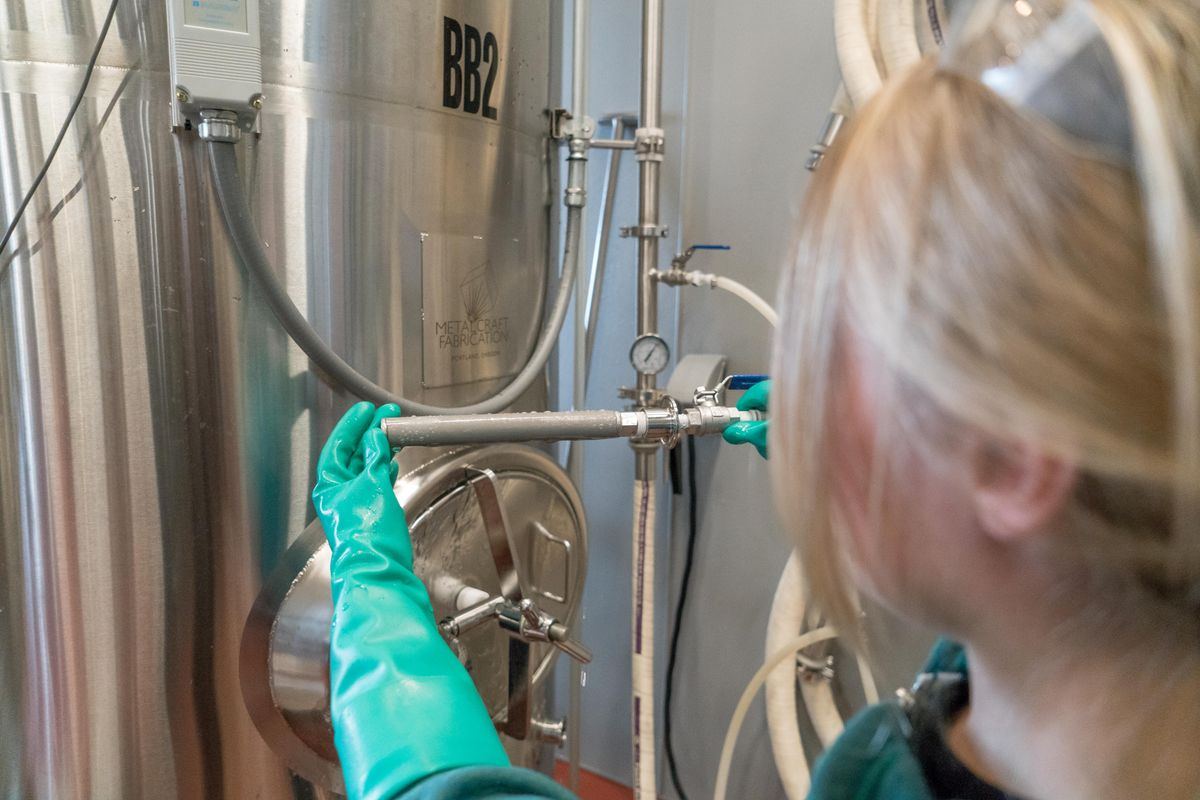
Large tanks need a bigger team, a submersible pump for dewatering, a sludge pump and a wet vacuum for sludge removal, and a pressure washer for concrete. The work is planned per site, because no two commercial tanks are the same. A site visit, or photos of the tanks, their lids and their access points, is the usual first step before a written quote.
How is a commercial tank cleaned without stopping the water supply?
Most commercial sites have more than one tank, so we clean one tank at a time while the others stay in service. Your building keeps its water, and the cleaning happens tank by tank. Where a site has only one tank, we plan the work around your quiet hours and agree the timing with you before the job. Tell us on the call how your water system is set up, how many tanks you have, and when the building is quietest.
The cleaning itself follows the same eight steps as a home tank: drain the stored water, remove sludge by hand, bucket or sludge pump, scrub the walls and floor, clean the lid, inlet and overflow, disinfect with a chlorine-based solution, rinse until the water runs clear, vacuum out the remaining water, then refill. For concrete tanks, a pressure washer is used on the walls and floor. The sludge is pumped or lifted out and taken away, not flushed into your drains.
What documentation do you get after the job?
After every commercial job we give you a written report with photos of the tank before and after cleaning, the disinfectant used, and the next due date. This is the documentation a facility manager needs for audits and for management records. It is also the proof a landlord or society management needs that the work was done.
The report covers each tank cleaned, its size and material, the condition found, the work done, and the next cleaning date. If we see a crack, a leaking joint or a broken fitting while cleaning, we note it in the report so you can arrange a repair. Cleaning does not include crack repair, valve or motor replacement, waterproofing, or lab water testing. If you need a lab test, arrange it separately, and keep the result with the cleaning report.
Do you offer annual maintenance contracts?
Yes. A contract, also called an annual maintenance contract or AMC, sets a fixed schedule, usually every 3 or 6 months, one agreed price, and priority booking, and it covers all the tanks on your site. Contracts suit plazas, schools, hospitals, housing societies and offices with more than one tank, because the schedule is set once and the work happens on time without a new booking every time.
A contract covers the cleaning, the report and photos after each visit, and the next due date. It does not cover repairs. Call to discuss what your site needs, how many tanks you have, and how often they should be cleaned. The exact price is agreed in writing after a site visit or photos.
How often should a commercial tank be cleaned?
| Building type | How often |
|---|---|
| Offices and plazas | Every 3 to 6 months |
| Schools and universities | Every 3 to 6 months |
| Hospitals and clinics | Every 3 to 6 months, shorter end of the range |
| Hotels and restaurants | Every 3 to 6 months |
| Factories and food plants | Every 3 to 6 months, per your audit schedule |
| Mosques, wuzu tanks | Every 3 to 6 months |
| Housing society blocks | Every 3 to 6 months |
| After the monsoon | Clean right after, whatever the schedule |
Commercial tanks should be cleaned more often than home tanks where the water comes from tankers or bore supply, because tanker water often leaves extra sludge and bore water leaves scale. Clean right after the monsoon as well, because silt-laden water from Simly Dam, Khanpur Dam and Rawal Lake leaves extra sludge behind. The full guide is on the how often to clean your water tank page.
How much does commercial tank cleaning cost?
Commercial prices depend on tank size, number of tanks, access and condition, so no single figure fits every site. Provider-published ranges give a starting point, with the source labelled.
| Range | Source |
|---|---|
| Commercial cleaning, PKR 5,000 to 8,000 | Capital Tankers |
| Commercial and industrial, PKR 2,500 to 18,000 | ECO Services |
| Domestic cleaning, PKR 2,000 to 4,000, for comparison | Capital Tankers |
These are provider-published ranges, not our fixed price. The exact quote for your site comes after a site visit or photos, in writing, and it covers the tanks, the schedule and the report. The full breakdown of what changes the price is on the water tank cleaning cost page.
What to have ready when you call
Five things make the call short and the quote accurate: the number of tanks on your site, each tank type and size, your building type and area, photos of the tanks, their lids and access points if you can take them, and the timing that suits your building. With those five things, we can plan the job, agree the timing, and give you a written quote.
Related pages: all water tank cleaning services, underground tank cleaning, overhead tank cleaning.
Frequently asked questions
Yes. Large sites usually have more than one tank, so we clean one tank at a time while the others stay in service. Where a site has only one tank, we plan the work around your quiet hours and agree the timing with you before the job. Tell us on the call how your water system is set up.
Provider-published ranges put commercial cleaning at PKR 5,000 to 8,000, per Capital Tankers, and ECO lists a range of PKR 2,500 to 18,000 for commercial and industrial work. The real figure depends on tank size, number of tanks, access and condition. The exact quote comes after a site visit or photos, in writing.
Yes. After every commercial job we give you a written report with photos of the tank before and after cleaning, the disinfectant used, and the next due date. This is the documentation a facility manager needs for audits and for management records.
Yes. A contract sets a fixed schedule, usually every 3 or 6 months, one agreed price, and priority booking, and it covers all the tanks on your site. Contracts suit plazas, schools, hospitals, housing societies and offices with more than one tank. Call to discuss what your site needs.
Every 3 to 6 months for most commercial tanks, and more often where the water comes from tankers or bore supply. Schools, hospitals and food businesses should clean on the shorter end of that range. Clean right after the monsoon as well, because silt-laden water leaves extra sludge behind.
Yes. We clean tanks for schools, hospitals, clinics, offices, hotels, restaurants, mosques including wuzu tanks, factories, plazas and housing societies. The work is planned around your working hours, and you get a written report with photos after the job.
Hours: 9 AM - 5 PM. Address: Bahria Town Phase 4, Islamabad, 46220, Pakistan.