
Watch the full cleaning process
This video from an Islamabad cleaning company shows the full process: spray, scrub, vacuum out the sludge, wash, and refill.
Video: Water Tank Cleaning Services, Best Way Cleaning System, Islamabad Rawalpindi by Ebizpk on YouTube. This video shows another Islamabad cleaning company's process, shared as an example of how a professional tank cleaning is done.
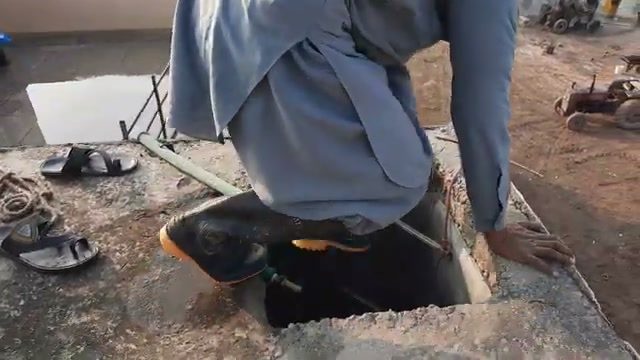
What happens on the day, step by step
A proper clean is not a rinse. It is a sequence, and skipping a step is how tanks end up dirty again in a month. This is the sequence our team follows on every job.
- 1
Drain the tank and use the water down
We close the inlet a few hours before where possible, use the stored water down, then drain the rest through the drain valve or with a submersible pump. We close all taps and the main line first, so dirty water never flows back into your pipes. Use the stored water down before we arrive, so the drain takes less time.
- 2
Remove the sludge by hand, bucket or pump
Mud, keechar and sediment at the bottom come out by hand, bucket or wet vacuum. In underground tanks, a vacuum with a small nozzle reaches corners a brush cannot. Sludge is taken away from the property, not flushed into your drains.
- 3
Scrub the walls and floor with brushes
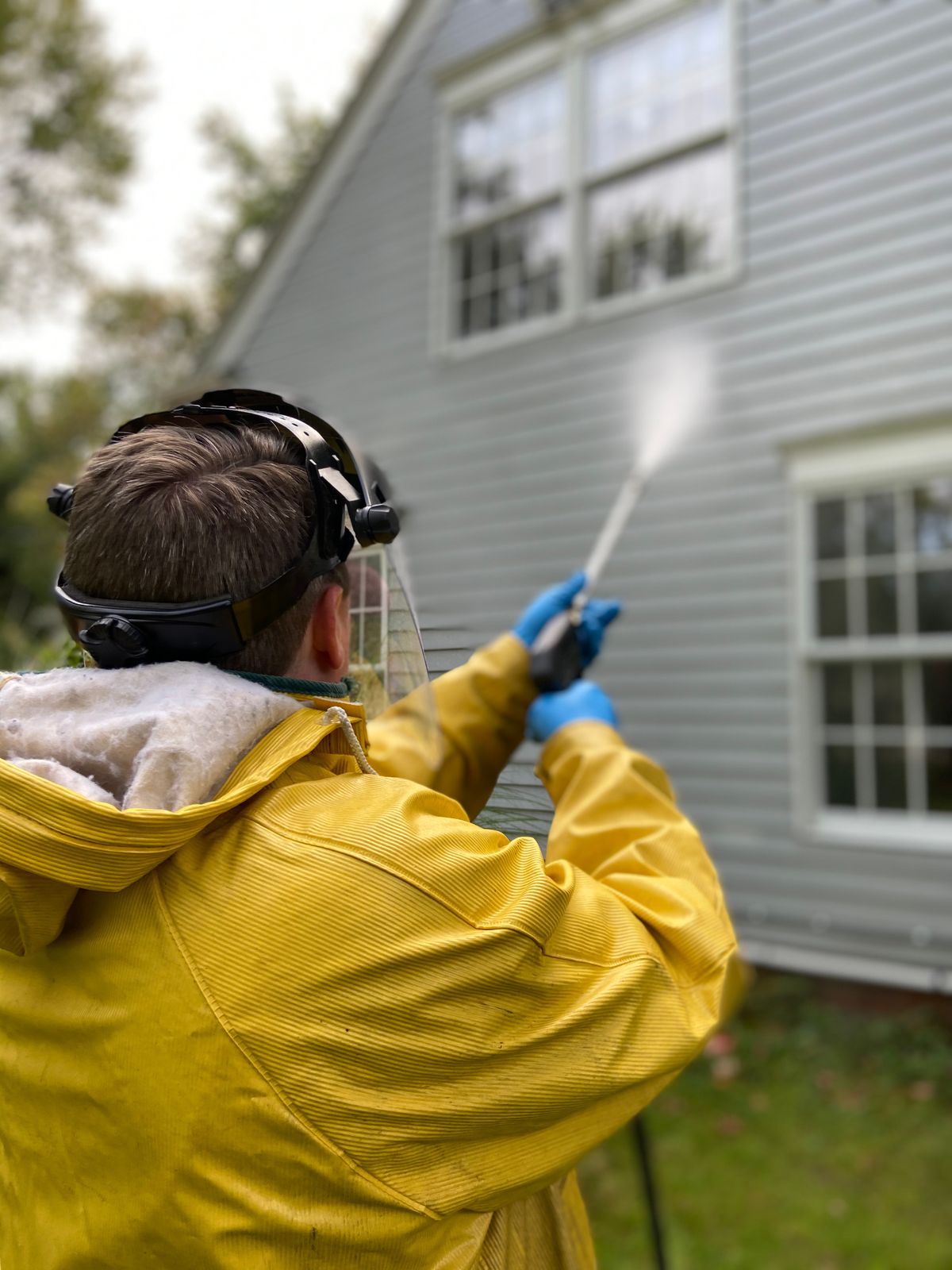
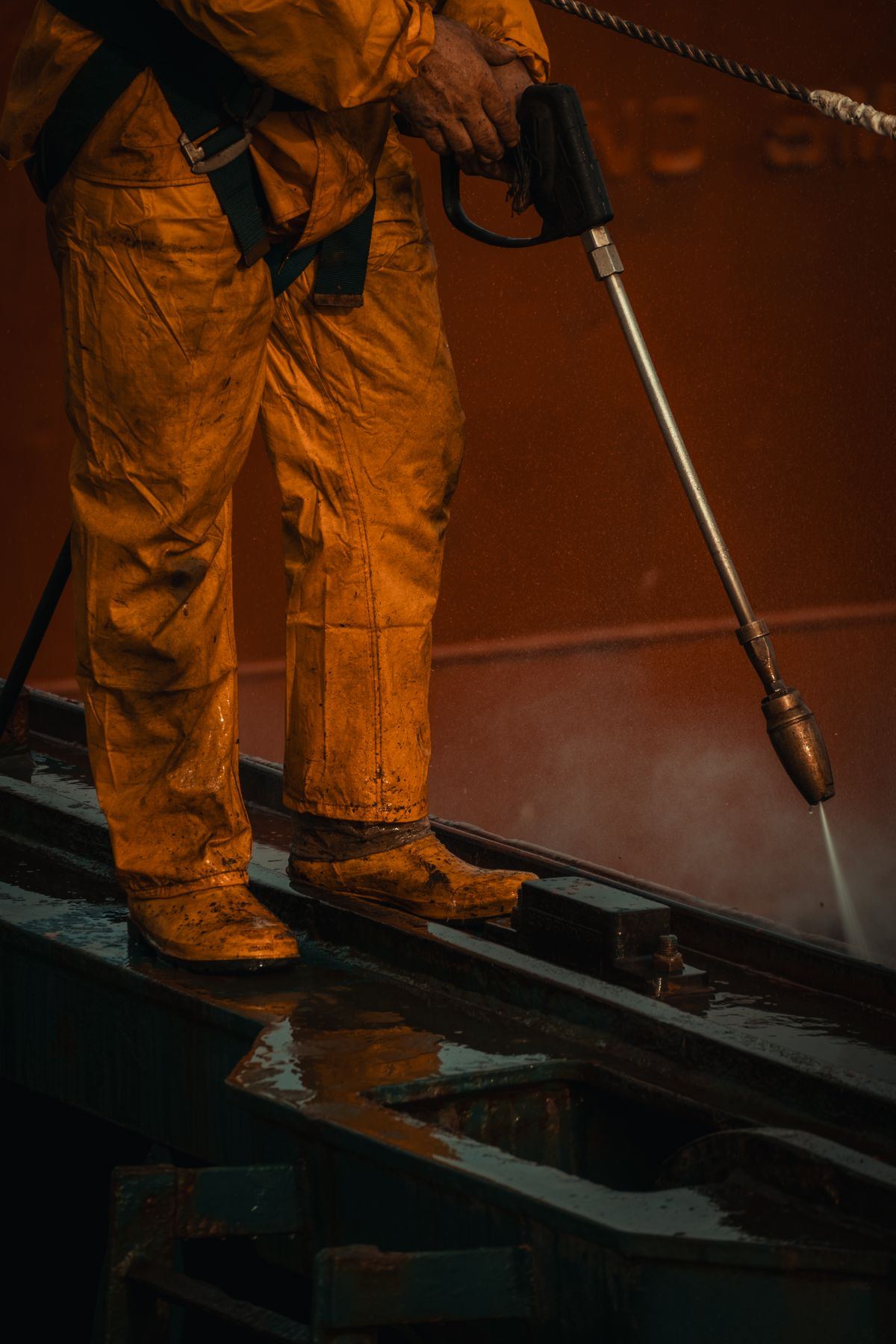
Walls, corners and the floor are scrubbed with a brush matched to the material. Plastic gets a soft brush, because a wire brush scratches plastic and dirt settles faster into scratches. Concrete gets a harder scrub for scale, moss and rust stains. A pressure washer reaches the areas manual scrubbing misses, and washes loosened dirt down to the floor for a second vacuum.
- 4
Clean the lid, inlet and overflow
The tanki ka dhakkan, the inlet, the outlet and the overflow pipe are cleaned too, because algae and fungus grow there first. We check the lid closes tightly, and point out cracks or a loose fit so insects and dirt cannot get back in.
- 5
Disinfect with a chlorine-based solution
A chlorine-based disinfectant made for drinking water is applied at drinking-water dosage, with contact time before rinsing. The dosage depends on tank size and condition, which is why guessing it yourself is a bad idea. We do not use acid, and we do not use scented detergent.
- 6
Rinse until the water runs clear
The tank is rinsed twice until no cleaning residue remains. After the double rinse and a first flush, the water should not smell of chlorine. If it does, call us back and we will come and check.
- 7
Vacuum out the remaining water
The last dirty water on the floor is vacuumed out, so the refill starts from a clean, empty tank. This is the step a quick suction-only clean skips, and it is why a suction clean alone is not a full clean.
- 8
Refill with clean water and check everything
The tank is refilled with clean water. We show you the inside of the tank before the lid goes back on, so you can see the bottom is free of mud. Then we check the lid closes tightly, the inlet and outlet are clear, and the motor and float switch work after refilling.
How long does cleaning take?
It depends on the tank type and whether one tank or both are cleaned in the same visit. Plan your water use around the window below, and use the stored water down before we arrive.
| Tank type | Typical time | What takes the time |
|---|---|---|
| Plastic overhead tank | 1 to 1.5 hours | Drain, sludge removal, soft-brush scrub, rinse, disinfect, refill |
| Cement or concrete tank | 3 to 5 hours | Harder scrub for scale and moss, longer drain and rinse, larger volume |
| Overhead plus underground, both tanks | 3 to 5 hours | Two drains, two scrubs, underground vacuum work, one visit |
| Underground tank on its own | Part of the 3 to 5 hour window | Pump dewatering, vacuum extraction, concrete scrub, tight access |
| Large commercial tank, 10,000 litres and above | Quoted per job | Team size, dewatering, vacuum, disinfection dosed for the volume |
A tank untouched for years takes longer than one cleaned last year. Tell us on the call when the tank was last cleaned, if you know, so the time estimate is honest. See what cleaning costs in Islamabad and how often to clean.
What is included in every clean
- Draining, through the drain valve or with a submersible pump
- Sludge removal and vacuum, sludge taken away, not flushed into drains
- Scrubbing of walls, floor and corners, with a brush matched to the material
- Pressure rinse, reaching the areas manual scrubbing misses
- Disinfection with a chlorine-based solution made for drinking water
- Double rinse, then refill with clean water
- Lid reseated, inlet and outlet checked, motor and float switch checked
- We show you the inside before the lid goes back on
- Photos of the inside before and after, on commercial and institutional jobs
What is not included
- Crack repair
- Valve or motor replacement
- Waterproofing
- Unblocking drains
- Laboratory water testing
If we find a crack or a broken float valve, we will show it to you and tell you what it needs, but we will not charge you for a repair we did not agree in advance.
How to prepare for the visit
- Use the stored water down before we arrive, so draining takes less time
- Make sure someone is home to show the team the roof and the underground hatch
- Clear access to the roof, the hatch, the motor and the main line
- Tell us on the call about any cracked lid, leak, or seepage you have noticed
- Keep children and pets away from the tank area while the team works
- Plan around the time window: 1 to 1.5 hours for one plastic tank, 3 to 5 hours for cement or both tanks
How water tank cleaning works, frequently asked questions
One plastic overhead tank takes about 1 to 1.5 hours. A cement tank, or overhead plus underground together, usually takes 3 to 5 hours. Use the stored water down before we arrive, and plan around that window.
Yes, when it is used properly. We use a chlorine-based disinfectant made for drinking water, at drinking-water dosage, with contact time, then we rinse twice. We do not use acid, and we do not use scented detergent. After the double rinse and a first flush, the water should not smell of chlorine.
Yes, someone needs to be home to show the team the roof and the underground hatch, and to check the inside of the tank with us before the lid goes back on. The team also needs access to the motor, the main line and a drain point for the dirty water.
You will see videos of tanks cleaned without emptying them, using a suction pipe to pull settled mud out. That removes loose sediment, but it is not a full clean. A proper clean means draining the tank, scrubbing the walls and floor, disinfecting, rinsing and refilling. The suction method is a quick fix between cleans, not a replacement.
Crack repair, valve or motor replacement, waterproofing, unblocking drains, and laboratory water testing are not included. If we find a crack or a broken float valve, we will show it to you and tell you what it needs, but we will not charge you for a repair we did not agree in advance.
After the double rinse and a first flush, the water should not smell of chlorine. We do not leave disinfectant in the tank. If it does smell, call us back and we will come and check.
Now you know the process. Call and book your clean.
Tell us your tank type, size and area, and get a fixed quote in writing before any work starts.
Hours: 9 AM - 5 PM | Bahria Town Phase 4, Islamabad