
Quick answer: Clean your water tank in September or October, after the monsoon in Islamabad. July brings 311 mm of rain on average and August brings 317 mm, and dam water arrives loaded with silt. The underground tank takes the first flush, so it is the dirtiest tank after the rains. Call +92 332 5063036 to book.
When should I clean my tank after the monsoon?
September or October. That is the window. The monsoon runs from July to September, and the rains are heaviest in July and August. Clean too early, in the middle of the rains, and the next storm fills the tank with silt again. Clean in September or October, after the heavy rain has passed, and the tank starts autumn clean.
We update this guide every year, and the dates here are for the monsoon of 2027. The pattern is the same every year, even when the exact rain is not: heat grows algae, monsoon brings silt, and the two cleans that matter are before summer and after monsoon.
What does the monsoon do to a water tank?
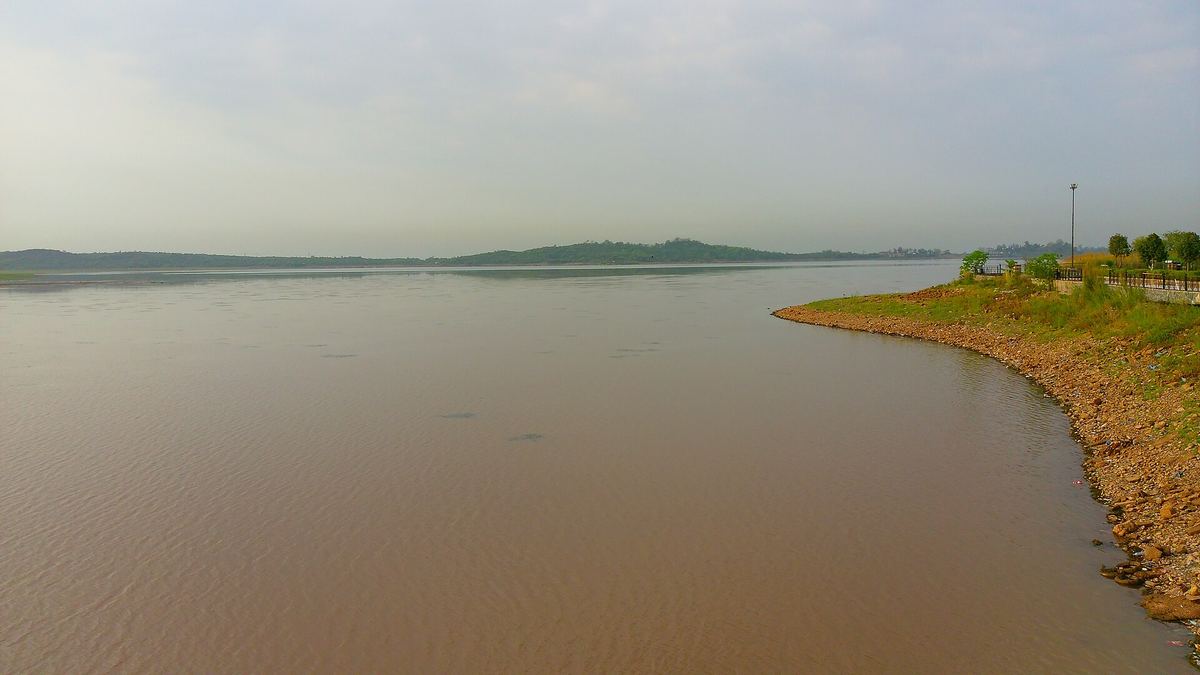
July brings 311 mm of rain on average in Islamabad, and August brings 317 mm. That rain washes soil, mud and debris into the dams, and the water that reaches your house arrives cloudy and loaded with silt. The underground tank takes the first flush, because it is the first stop for water coming in from the main line, so it collects the most silt and is the dirtiest tank after the monsoon.
| What the monsoon does | What you notice | What to do |
|---|---|---|
| Silt-laden dam water fills the tank | Brown, yellow or cloudy water, gadla pani | Book a clean in September or October |
| Mud settles on the tank floor | Sand or grit in buckets and filters, ret in the water | Clean now, before grit blocks taps, shower heads and the geyser |
| Runoff enters through a loose lid or crack | Mud or leaves in the tank, musty smell | Check the lid closes tightly, and tell us about any crack on the call |
| Heavy rain stirs up old sediment | Water that was clear turns brown overnight | Use the water down first, then clean the tank, do not wait for the schedule |
The rooftop tank is less affected by silt than the underground tank, but it still takes in dirty water from the same supply, and the monsoon is when the supply is dirtiest. That is why the post-monsoon clean covers both tanks in one visit. Our underground tank cleaning and overhead tank cleaning pages explain the two jobs.
How do I know my tank needs a post-monsoon clean?
You do not need to open the tank to know it is dirty. Your taps tell you first. Brown, yellow or cloudy water after heavy rain is the clearest sign. Sand or grit in buckets, glasses or filters means sediment has settled at the bottom. A musty or muddy smell, or a change in taste, means algae or biofilm is growing on the walls. Green or black slime under the lid means kai or fafundi, worst in rooftop plastic tanks. If the water changed suddenly after heavy rain, clean the tank straight away and do not wait for the next scheduled clean. Our signs your tank needs cleaning page lists every symptom, what it usually means, and whether to clean now or book this month.
One more check matters after the monsoon: the lid. Heavy rain finds every gap. Check the tanki ka dhakkan closes tightly, and look for cracks or seepage around an underground tank. A cracked tank lets dirt and groundwater in, and it may need repair before, or instead of, a clean. Tell us on the call and we will advise honestly.

How much does a post-monsoon clean cost?
We do not publish a fixed price of our own, because the price depends on your tank type, size, material and condition, and a tank after the monsoon is often dirtier than usual. Published ranges from Islamabad providers run from about PKR 1,500 for a small plastic overhead tank to PKR 7,000 and above for a large cement tank, with underground tanks at PKR 2,500 to 6,000 and both tanks in a typical house at PKR 5,000 to 10,000. Send a photo of your tank and we give you one fixed price in writing before any work starts. See the full guide on our water tank cleaning cost in Islamabad page. Cleaning both tanks together in one visit costs less than booking them separately.
One plastic overhead tank takes about 1 to 1.5 hours. A cement tank, or overhead plus underground together, usually takes 3 to 5 hours. Use the stored water down before we arrive, and plan around that window. The full process is on our how it works page, and our how often to clean page has the full frequency table.
What to have ready when you call
Tell us how many tanks you have, whether each is overhead or underground, plastic or concrete, roughly what size, in gallons or litres, or in feet for a cement tank, and your area and sector. A photo of each tank, including the lid and the inside if you can open it safely, is usually enough for a fixed quote in writing. Also tell us whether the water turned brown after the rain, whether the lid is cracked or loose, whether the water comes from CDA, a bore, or tankers, and when the tank was last cleaned, if you know. Book in September or October, after the heavy rain has passed, and tell us whether anyone will be home to show the team the roof and the underground hatch.
Frequently asked questions
September or October. The monsoon runs from July to September, and the rains are heaviest in July and August. Clean too early, in the middle of the rains, and the next storm fills the tank with silt again. Clean in September or October, after the heavy rain has passed, and the tank starts autumn clean.
July brings 311 mm of rain on average and August brings 317 mm. That rain washes soil and mud into the dams, and the water that reaches your house arrives cloudy and loaded with silt. The underground tank takes the first flush, so it collects the most silt and is the dirtiest tank after the rains.
Both, in one visit. The underground tank takes the first flush and collects the most silt, but the rooftop tank takes in dirty water from the same supply. Cleaning one and leaving the other means dirty water again within weeks. Both tanks together in one visit also costs less than booking them separately.
No. If the water changed suddenly after heavy rain, clean the tank straight away and do not wait for the next scheduled clean. Use the water down first, then call us. September or October is the routine post-monsoon window, but a sudden change is a clean-now sign.
One plastic overhead tank takes about 1 to 1.5 hours. A cement tank, or overhead plus underground together, usually takes 3 to 5 hours. Use the stored water down before we arrive, and plan around that window. We show you the inside of the tank before the lid goes back on.
Ji haan, September ya October mein saaf karwana behtar hai. July aur August mein barish se dam ka paani gadla ho jata hai, aur keechar tanki mein jama ho jata hai. Underground tanki sab se zyada gandi hoti hai, kyun ke paani pehle usi mein ata hai. Dono tankiyan aik hi visit mein saaf karwa lein.
Book your post-monsoon clean
Call now and book for September or October, after the heavy rain has passed. Tell us your tank type, size and area, and you get a fixed quote in writing before any work starts.
9 AM - 5 PM. Tell us your tank type, size and area for a fixed quote in writing before work starts.