
Quick answer: A 10,000 litre tank holds 10 cubic metres of water, about 2,200 gallons. It is a large underground tank or a commercial tank, and cleaning one is a full day job for two people with a pump, a ladder, brushes and ventilation. Most owners call a cleaning team, because the tank is too deep to clean safely by hand alone.
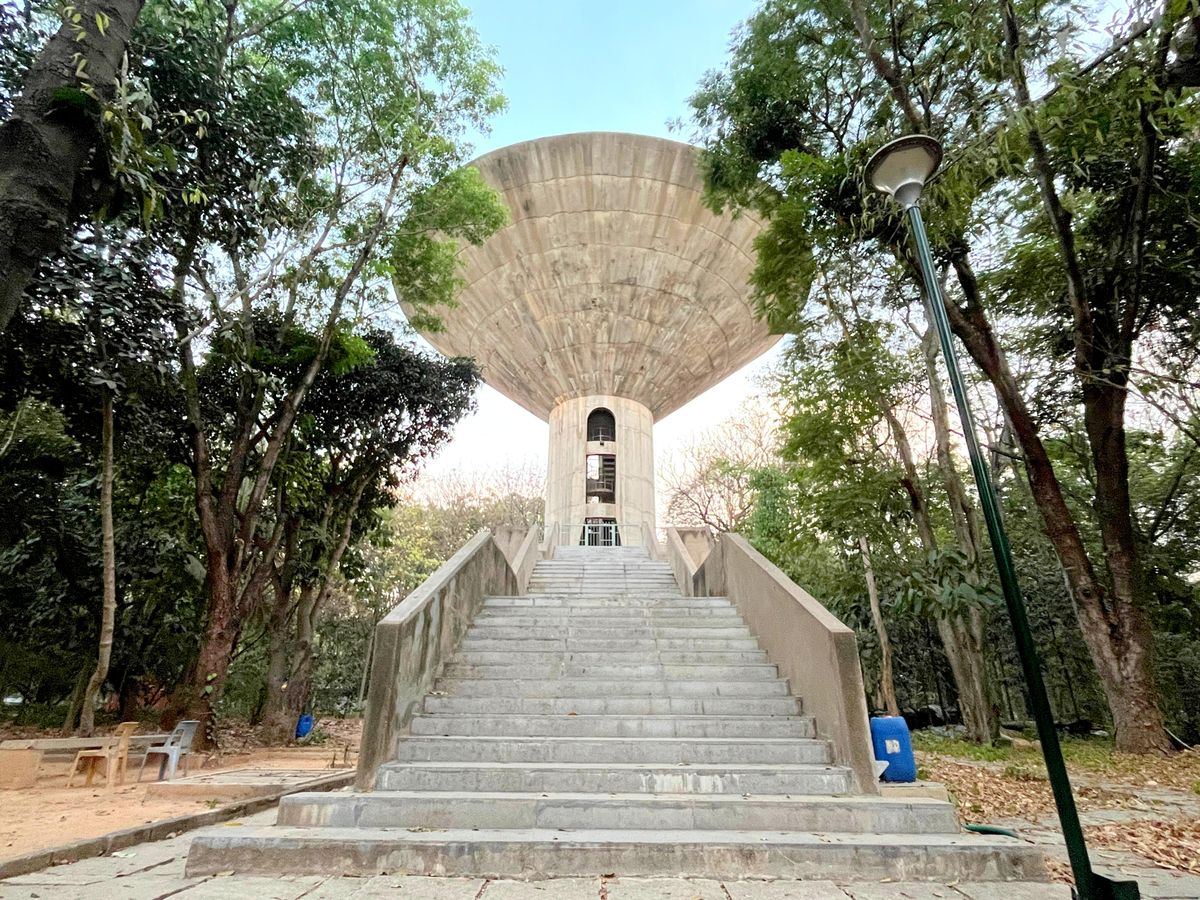
A 10,000 litre water tank is not a bigger version of a rooftop tank. It is a different job altogether. Ten thousand litres is 10 cubic metres of water, about 2,200 gallons, and a tank that size is usually a large underground concrete tank under a house, or a commercial tank in a school, hospital, plaza or factory. It is deep, dark, heavy with sludge, and impossible to clean properly with a bucket and a brush on a stick.
How big is a 10,000 litre water tank?
| Tank size | Litres | Gallons (about) | Where you usually find it | Cleaning time |
|---|---|---|---|---|
| Small overhead plastic | 500 to 1,000 | 110 to 220 | House rooftop | 1 to 1.5 hours |
| Large overhead plastic | 1,500 to 2,000 | 330 to 440 | House rooftop | 1.5 to 2 hours |
| Underground concrete, house | 2,000 to 5,000 | 440 to 1,100 | Under a house in DHA, Bahria Town or a sector | 2 to 4 hours |
| Large underground or commercial | 10,000 | 2,200 | Large house, school, hospital, plaza or factory | A full day, two people |
A 10,000 litre underground tank can be two metres deep or more. That depth is the whole problem: one person cannot reach the floor, cannot see the corners, and cannot lift the sludge out by hand. The tank also holds months of sediment, because a tank this size is usually fed by a mix of bore water and tanker water, and both leave sludge and scale behind.
How is a 10,000 litre water tank cleaned?
The steps are the same as any professional tank clean, done at a larger scale with the right equipment:
- 1
Use up and drain the water
Use the stored water first where possible, then drain the rest with a submersible pump. A 10,000 litre tank takes hours to drain, so the day starts early.
- 2
Remove the sludge
Pump and scoop out the keechar, sediment and debris from the floor. A sludge pump and a vacuum do the heavy work; the waste is taken away, not flushed into the drains or the supply pipes.
- 3
Scrub the walls and floor
Scrub the walls, floor and corners with brushes matched to the tank material. Concrete tanks are rough and porous, so they hold scale and moss and usually need a pressure washer as well as brushes.
- 4
Clean the lid, inlet and overflow
Clean the tanki ka dhakkan, the inlet and the overflow, and check that the lid closes tight and the float valve works.
- 5
Disinfect and rinse
Apply a chlorine based disinfectant, leave it for the contact time on the label, then rinse until the water runs clear. Rinsing a tank this size takes a lot of clean water, so the rinse is planned, not improvised.
- 6
Vacuum, refill and check
Vacuum out the remaining rinse water, refill the tank, and show the inside of the tank to the owner or manager before the lid goes back. A written report and photos follow the same day.
Can I clean a 10,000 litre tank myself?
Honestly, no, not safely and not properly. Cleaning a tank this size is a full day job for two people, and it needs a submersible pump, a sludge pump or vacuum, a ladder, long handled brushes, a pressure washer for concrete, gloves and protective gear, and good ventilation. One person working alone inside a deep underground tank is dangerous: the air is poor, the floor is slippery, and there is nobody to help if something goes wrong. Never enter a deep tank alone, and never put a child inside a tank.
There is also the question of what to do with the waste. A 10,000 litre tank can hold buckets of sludge, and that sludge has to be removed and taken away, not washed into the drains or back into the pipes. A professional team brings the pump and the vacuum for exactly that reason. If your tank is this size, the right move is to call a team, tell them the tank type and size, and get a written quote. See water tank cleaning cost in Islamabad for the provider published ranges that apply to large tanks.
How long does cleaning a 10,000 litre tank take, and how often?
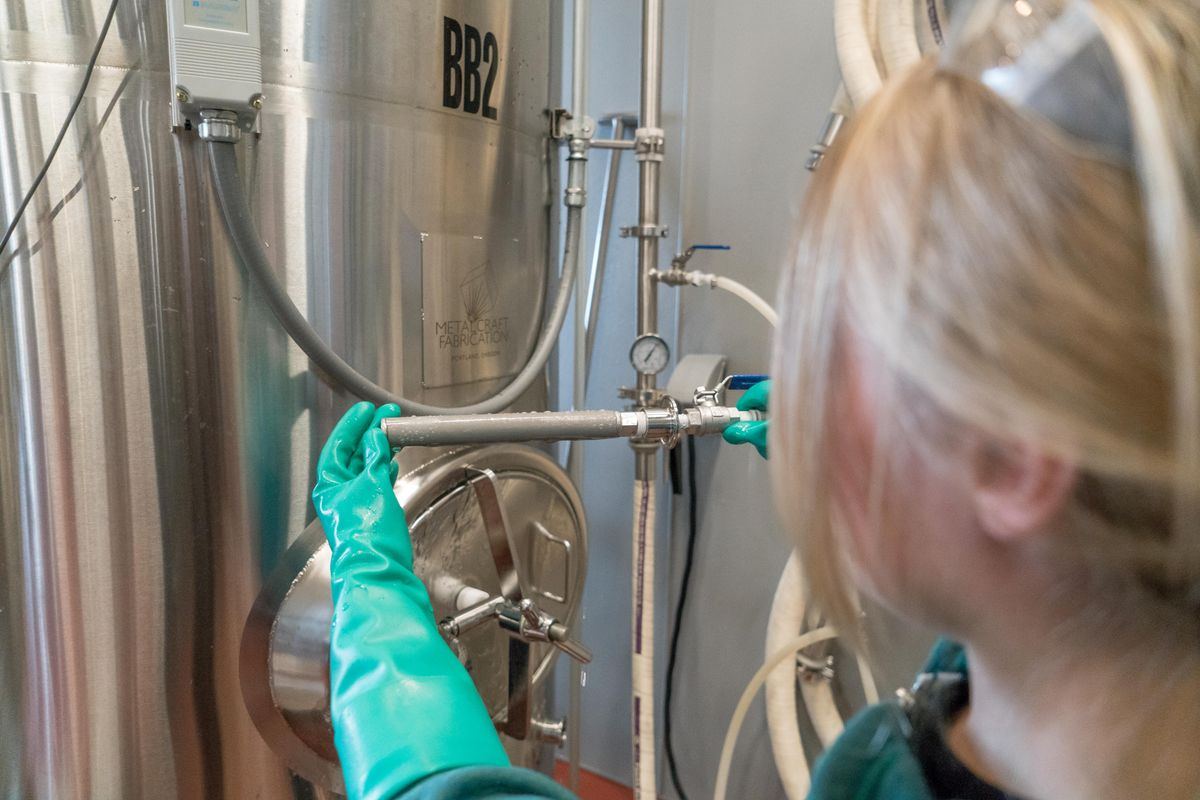
Plan on a full day for the clean itself, with two people on site. The draining alone takes hours, and the scrubbing, rinsing and refilling take the rest of the day. The building should plan to be without that tank for the day, which is why large houses clean the underground and overhead tanks together in one visit, and why schools, hospitals and plazas book the work for holidays or quiet hours, one tank at a time.
For frequency, a 10,000 litre tank in Islamabad should be cleaned every 3 to 6 months. Tanks fed by tanker water need the shorter interval, every 3 to 4 months, because tanker water leaves the most sludge. A clean is also due right after the monsoon, when silt has settled in the tank, and after any pipe repair or long vacancy. A cleaning contract fixes two dates a year, before summer and after the monsoon, so the schedule is set in advance. For a school or hospital with tanks this size, see water tank cleaning for schools and hospitals and commercial water tank cleaning.
What to have ready when you call: the tank type (underground concrete or commercial), the size in litres, the area, whether there is a second tank to clean in the same visit, and a photo of the tank and its lid. That is enough for a written quote.
Frequently asked questions
Drain it with a submersible pump, remove the sludge with a pump and vacuum, scrub the walls and floor with brushes and a pressure washer for concrete, clean the lid, inlet and overflow, disinfect with a chlorine based solution, rinse until clear, vacuum out the remaining water and refill. It is a full day job for two people with the right equipment.
Plan on a full day with two people on site. Draining alone takes hours, and scrubbing, rinsing and refilling take the rest of the day. A small plastic overhead tank takes 1 to 1.5 hours by comparison, and a cement tank or an overhead plus underground pair takes 3 to 5 hours.
No, not safely. The tank is too deep for one person to reach the floor, the air inside is poor, the floor is slippery, and the sludge needs a pump and a vacuum to remove. Never enter a deep underground tank alone. Call a professional team with two people and the right equipment.
There is no fixed published price, because the cost depends on the tank type, its condition and access. As a guide only, provider published ranges in Islamabad put large cement tanks of 10 by 10 feet and above at PKR 4,500 to 7,000 and above, and commercial work from PKR 5,000 to 8,000, as published by Muhammad Technical Services and Capital Tankers. Your exact quote comes on the call, in writing, before work starts.
Every 3 to 6 months in Islamabad. Tanks fed by tanker water need cleaning every 3 to 4 months, because tanker water leaves the most sludge. Clean right after the monsoon as well, and after any pipe repair or long vacancy. A contract fixes two dates a year, before summer and after the monsoon.
Yes. Large houses in DHA and Bahria Town often have underground tanks of 5,000 to 10,000 litres, fed by a mix of bore water and tanker water. We clean them in both areas, and we clean the underground and overhead tanks together in one visit where the house has both. See our DHA and Bahria Town pages for the local detail.
Have a large tank to clean?
Tell us the tank type, size and area, and we will give a written quote and book a team of two with the pump and vacuum the job needs.
9 AM - 5 PM. Bahria Town Phase 4, Islamabad.