
Quick answer: You can clean a small plastic tank at home by draining it, scooping out the sludge, scrubbing the walls and floor with a brush, rinsing twice, disinfecting with a chlorine tablet as the label says, and refilling it. Never enter a tank alone and never use acid or a wire brush on plastic. Large or underground tanks need a professional.
Cleaning a small overhead plastic tank yourself is a job most homeowners can do in an afternoon, and it is worth doing properly. Water that stands for one or two months grows kai and fafundi, and the sludge at the bottom turns the tap water gadla. This guide covers the method used in the popular DIY videos, with the safety warnings those videos sometimes skip. It does not pretend that every tank can be cleaned at home: underground concrete tanks and very large tanks are professional jobs, and the guide says so where it matters.
What do you need to clean a water tank yourself?
| Item | What it is for |
|---|---|
| A bucket and a mug | Scooping out sludge and the last of the dirty water |
| A long handled brush or a brush on a stick | Scrubbing the walls and floor without climbing inside |
| A clean cloth | Wiping the walls after scrubbing |
| A rubber pipe, half inch | Siphoning water out of the tank, the siphon method |
| Gloves and a mask | Protecting your hands and breathing from sludge and spray |
| A chlorine tablet | Disinfecting, used exactly as the product label says |
| A ladder, if the tank is on the roof | Safe access, with someone holding it |
How do you clean a water tank at home, step by step?
- 1
Close all taps and the main line
Before you start, close every tap in the house and the main line from the tank, so dirty water cannot flow back into your pipes and block them while you clean.
- 2
Use up or drain the stored water
Use the stored water for washing and cleaning first, so there is as little as possible left to drain. Drain the rest through the outlet or with a pump, or siphon it out with a rubber pipe.
- 3
Scoop out the sludge
Climb only as far as you need to reach in safely, and scoop the keechar and sediment from the floor and corners with a bucket and mug. The siphon method works well for the last of the water: a half inch pipe with a funnel made from a cut cold drink bottle, with a small foam piece on a thread to start the flow at a low water level.
- 4
Scrub the walls and floor
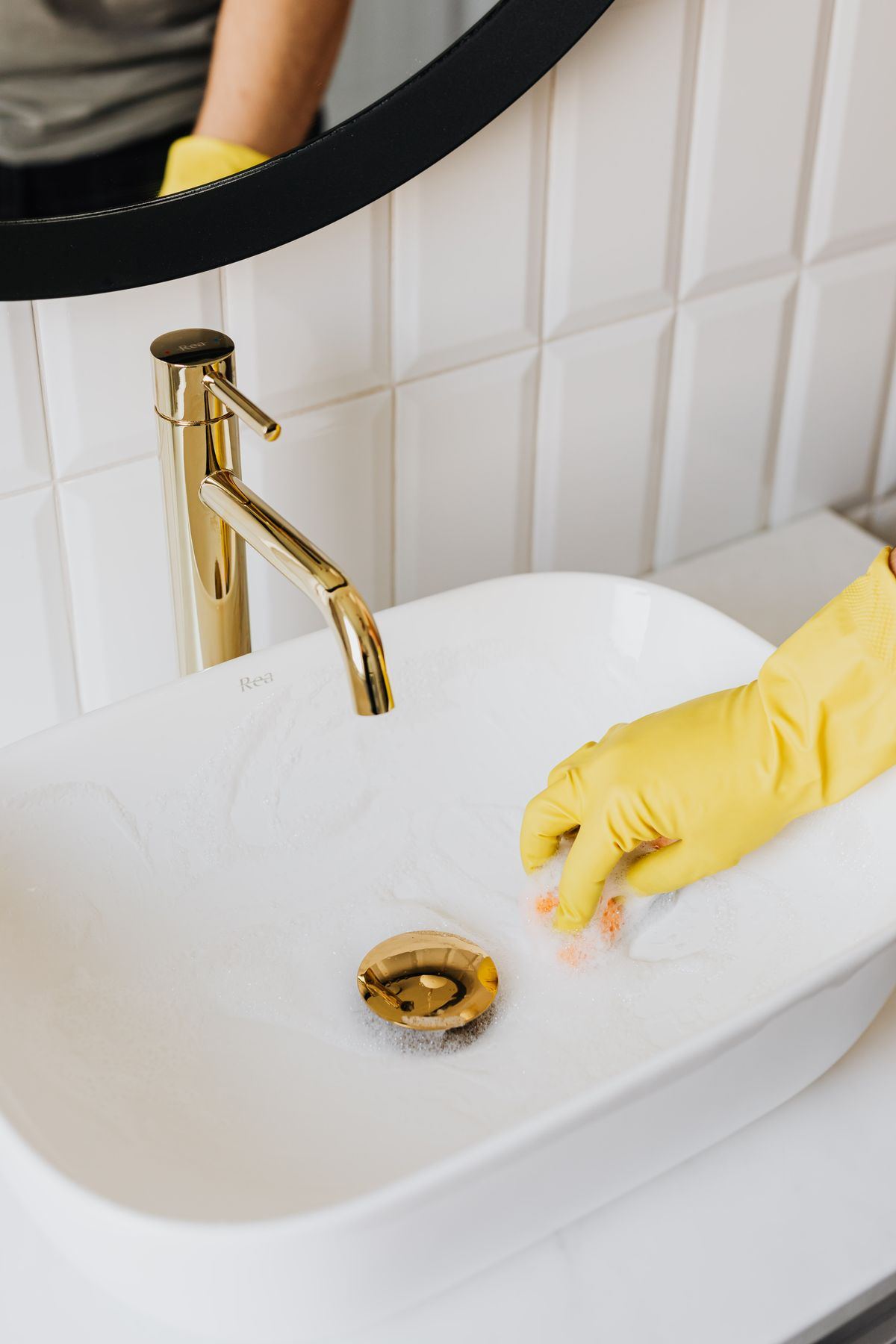
Scrub the walls, floor and corners with a brush on a stick. Use a soft or medium brush on plastic. Do not use a wire brush on a plastic tank: it scratches the surface, and dirt settles into the scratches faster afterwards.
- 5
Rinse twice
Rinse the tank with clean water and drain it, then rinse again. The rinse water should run clear before you move on. This is the step people skip, and it is the step that matters most.
- 6
Disinfect with a chlorine tablet
Use a chlorine tablet as the product label directs. DIY videos often quote 4 grams of chlorine tablet per 1,000 litres of water: that is a figure from YouTube DIY videos, not a professional standard, so follow the label on the product you actually buy. Leave it for the contact time the label gives, then rinse again.
- 7
Refill and flush
Open the main line, refill the tank, and run the taps for a few minutes so the first water, the first flush, clears the pipes before anyone drinks from them.
What safety warnings matter most?
- Never enter a tank alone. Never climb inside a deep underground tank on your own, and never put a child inside an old tank. If the tank is deep enough to need climbing in, that is a professional job.
- Never use acid. Do not clean a tank with acid. People who have tried it report that the smell stays in the water for days, and acid can damage the tank. Some DIY videos mention tartari, a tartaric acid powder, to loosen dirt. We do not use acid or tartari in professional cleaning, and we do not recommend it at home either.
- Never use a wire brush on plastic. A wire brush scratches a plastic tank, and dirt settles into the scratches faster, so the tank gets dirty again sooner.
- Keep the air moving. Work with the lid off and the area ventilated, and wear gloves and a mask. Never mix cleaning chemicals together.
- Ladder safety. If the tank is on the roof, have someone hold the ladder and never reach so far that you lose your balance.
When is DIY not enough?
| Situation | DIY or professional? | Why |
|---|---|---|
| Small overhead plastic tank, 500 to 1,000 litres | DIY is fine | You can reach every surface from the top with a brush on a stick |
| Underground concrete tank | Professional | Deep, dark and hard to ventilate, with rough concrete that holds scale and dirt |
| Very dirty tank, thick sludge or heavy kai | Professional | Needs a sludge pump and a vacuum to remove the waste properly |
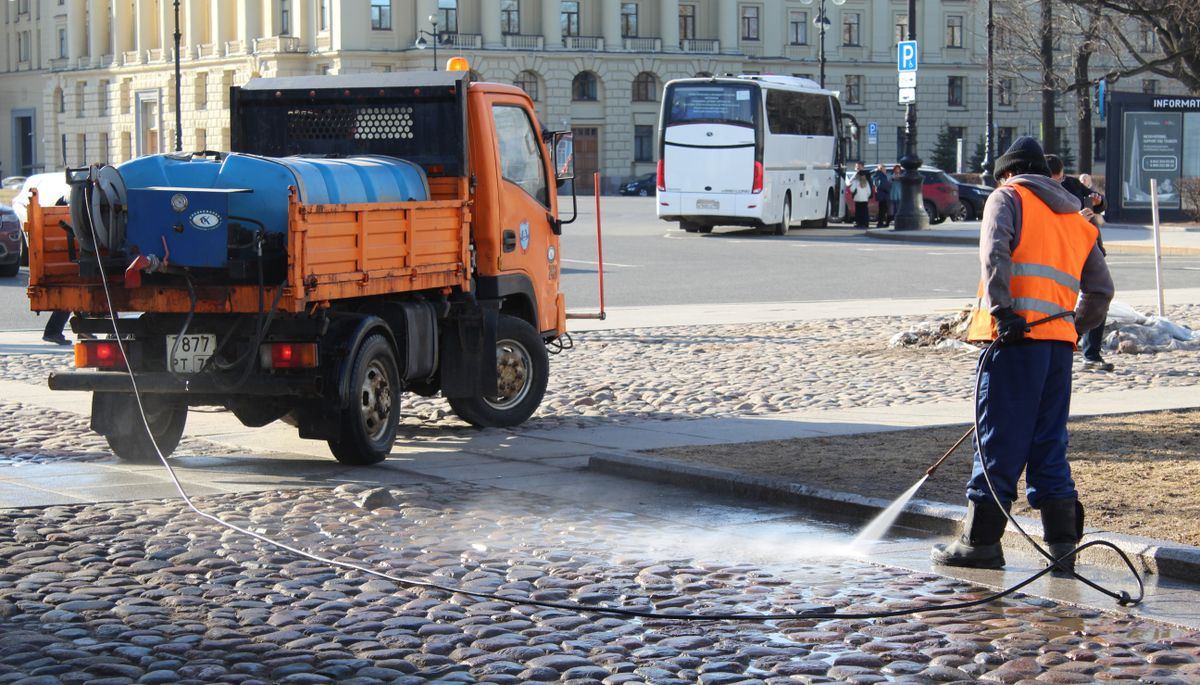
| 10,000 litre tank or larger | Professional | A full day job for two people with a pump, a ladder and ventilation |
| No safe access, cracked tank or loose lid | Professional | Climbing in is unsafe, and a crack or leak needs to be found and reported |
| School, hospital, office or plaza tank | Professional | Needs a written report and photos, and the building cannot stop its water supply |
If your tank falls in the professional rows, call us on +92 332 5063036 and tell us the tank type, size and area. We will give a quote on the call. If you are not sure whether your tank is a DIY job, read is water tank cleaning safe and what is included in water tank cleaning, or read how often to clean your tank to see whether it is due.
Frequently asked questions
Close all taps and the main line, use up or drain the stored water, scoop out the sludge, scrub the walls and floor with a brush, rinse twice until the water runs clear, disinfect with a chlorine tablet as the label directs, and refill. Wear gloves and a mask, keep the tank ventilated, and never enter a tank alone. This works for a small overhead plastic tank; underground and very large tanks need a professional.
Yes, for a small overhead plastic tank you can do it yourself with a bucket, a long handled brush, a rubber pipe for siphoning and a chlorine tablet. The guide on this page covers the full method. For an underground concrete tank, a very dirty tank or a tank of 10,000 litres or more, call a professional team instead.
No, we do not recommend it. Some DIY videos use tartari, a tartaric acid powder, to loosen dirt, but people who have cleaned with acid report that the smell stays in the water for days, and acid can damage the tank. Our professional cleaning never uses acid. Scrubbing with a brush and disinfecting with a chlorine tablet, followed by a good rinse, is the safe method.
Some DIY videos show a siphon method that cleans the sludge from the bottom while most of the water stays in the tank, using a half inch pipe, a funnel made from a cut cold drink bottle and a foam piece on a thread. That method removes loose sludge, but it does not scrub the walls or disinfect the tank properly. For a full clean, the tank needs to be drained.
Most homes in Islamabad clean their tanks every 6 months. Tanks fed by bore water need cleaning every 3 to 6 months, and tanks fed by tanker water every 3 to 4 months, because both leave more sludge and scale. Clean right after the monsoon as well, and right after any pipe repair or long vacancy.
The siphon method uses a rubber pipe to draw water and loose sludge out of the tank without a pump. A funnel made from a cut cold drink bottle is fitted to the end of the pipe, and a small foam piece on a thread helps start the flow when the water level is low. It is useful for removing the last of the water and loose dirt, but it is not a substitute for scrubbing and disinfecting.
Tank too big or too dirty for DIY?
Tell us the tank type and size and we will give a quote on the call, and clean it properly with a pump, vacuum and disinfectant.
9 AM - 5 PM. Bahria Town Phase 4, Islamabad.